Maritsa · The grove
Picked by hand, pressed the same day
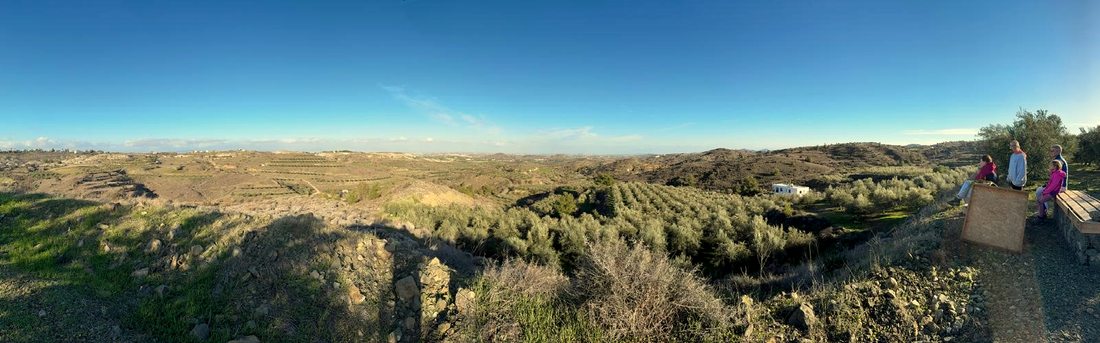
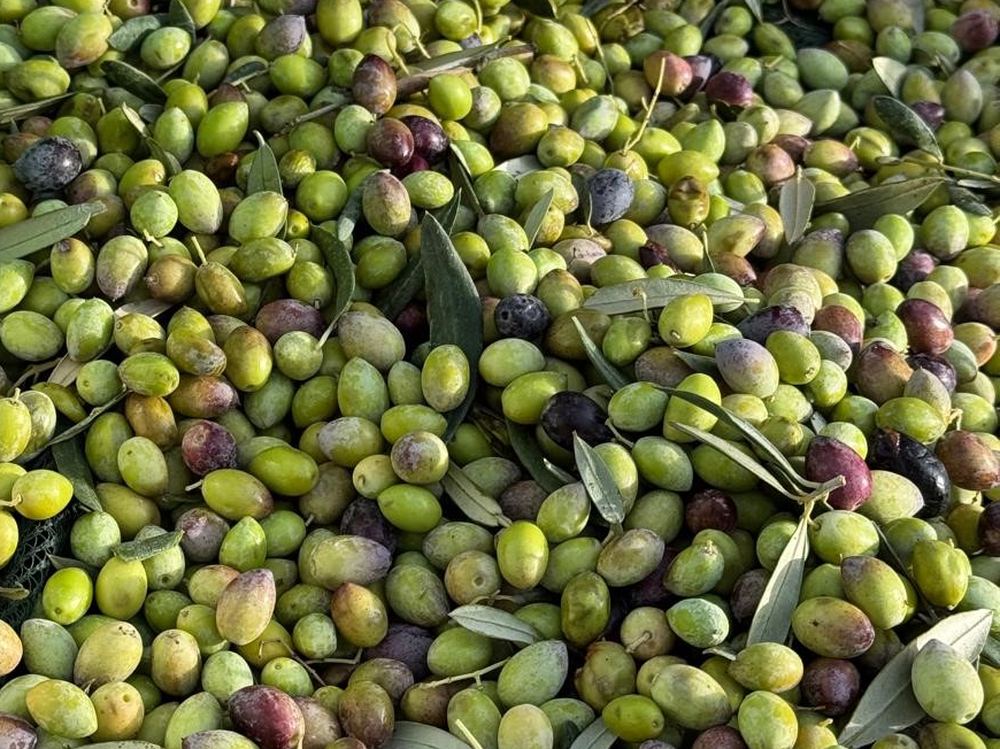
The grove at Kampia. Photograph: K. Maritsa Estates.
Forty acres of mountain land, one spring, 2,500 trees and a harvest that happens once a year. How Maritsa olive oil is made, from the grove at Kampia to dark glass.
The estate
Forty acres, one spring
The estate is forty acres of mountain land at Kampia, below the Machairas mountains, with 2,500 Koroneiki trees planted in 2000 and a spring of the family's own to water them. The land has been in the family for much longer than the trees.
Koroneiki is a small olive, and it makes an intense, fruity oil.
The harvest
By hand, in December
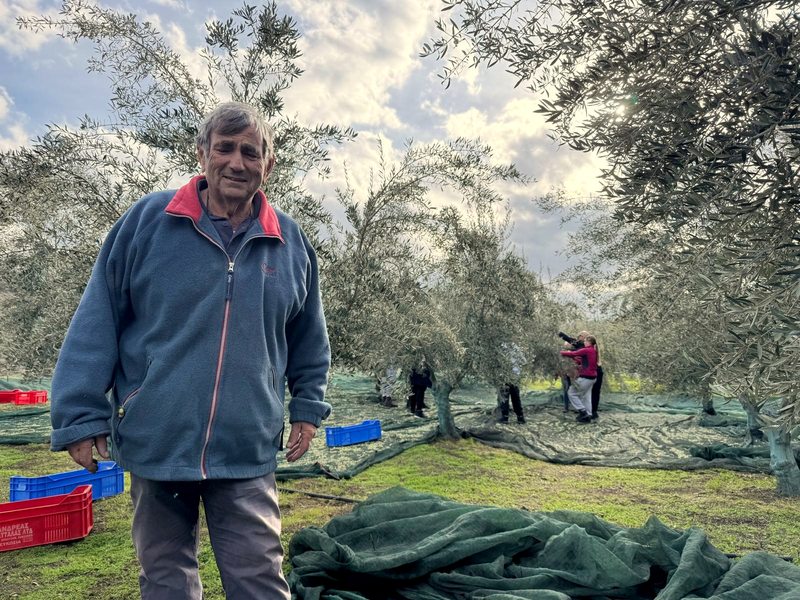
Harvest comes once a year, in December. Nets go down under the trees and the fruit is picked by hand: about half of it half-ripe, a quarter green and a quarter black. Getting that mix right takes a judgement at every tree, which is why it is still done by hand.
The press
The same day, every day
Olives start to spoil once they leave the tree, so each day's picking goes to the press that same day and is given a single cold press. A hotter, longer extraction would draw more oil from the same fruit. The family takes the smaller yield.
The grove keeper
Every day, including Sundays
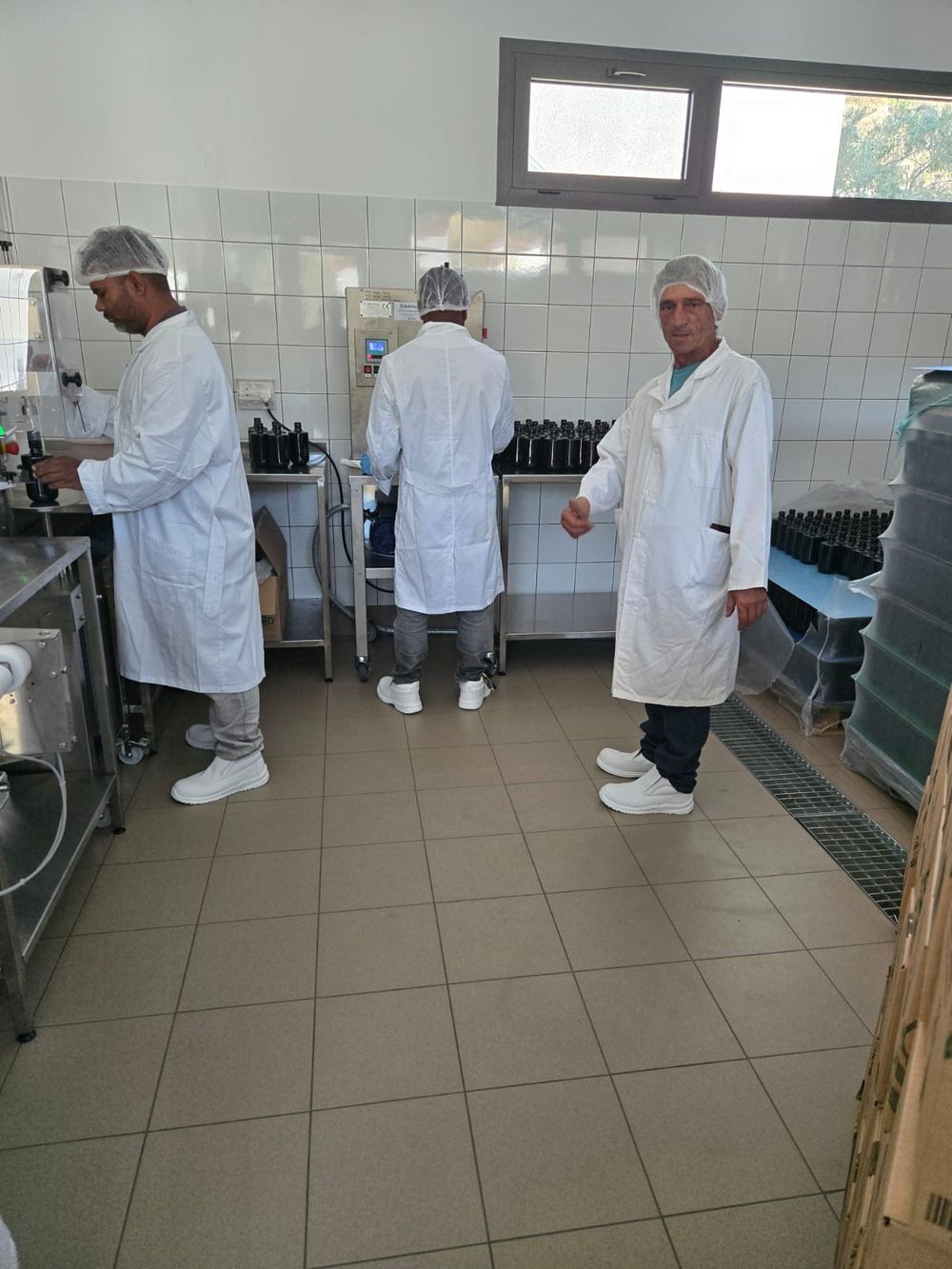
Sofroni lives two kilometres from the grove. A builder by trade, he walks the rows every day without being asked, and at harvest he oversees the picking, the press and the bottling into dark glass. The family's youngest generation is already planting alongside him.
At the table
Pour it raw
Intense and fruity, with a slight bitterness and a peppery catch at the back of the throat. That pepper is the mark of a fresh oil. Use it to finish, not to fry: over fish straight off the grill, charred vegetables, or bread warmed over the coals.
More from Stories
Sources: maritsaestate.com; the Kleanthous family.