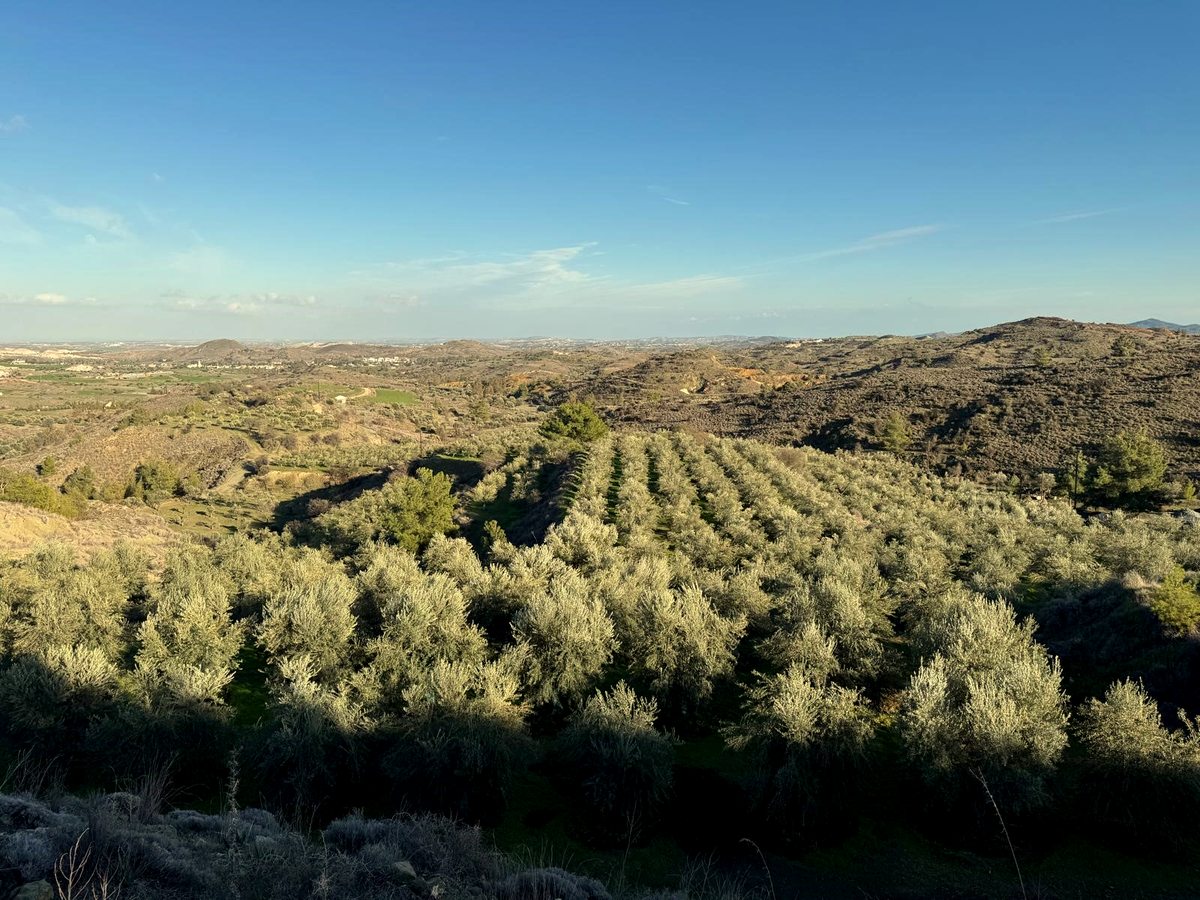



The Machairas foothills above Kampia, with the family's olive groves in the foreground

Single estate extra virgin olive oil · Kampia, Cyprus

Not all olive oils are equal.

One family. One grove. Cold extracted the same day.

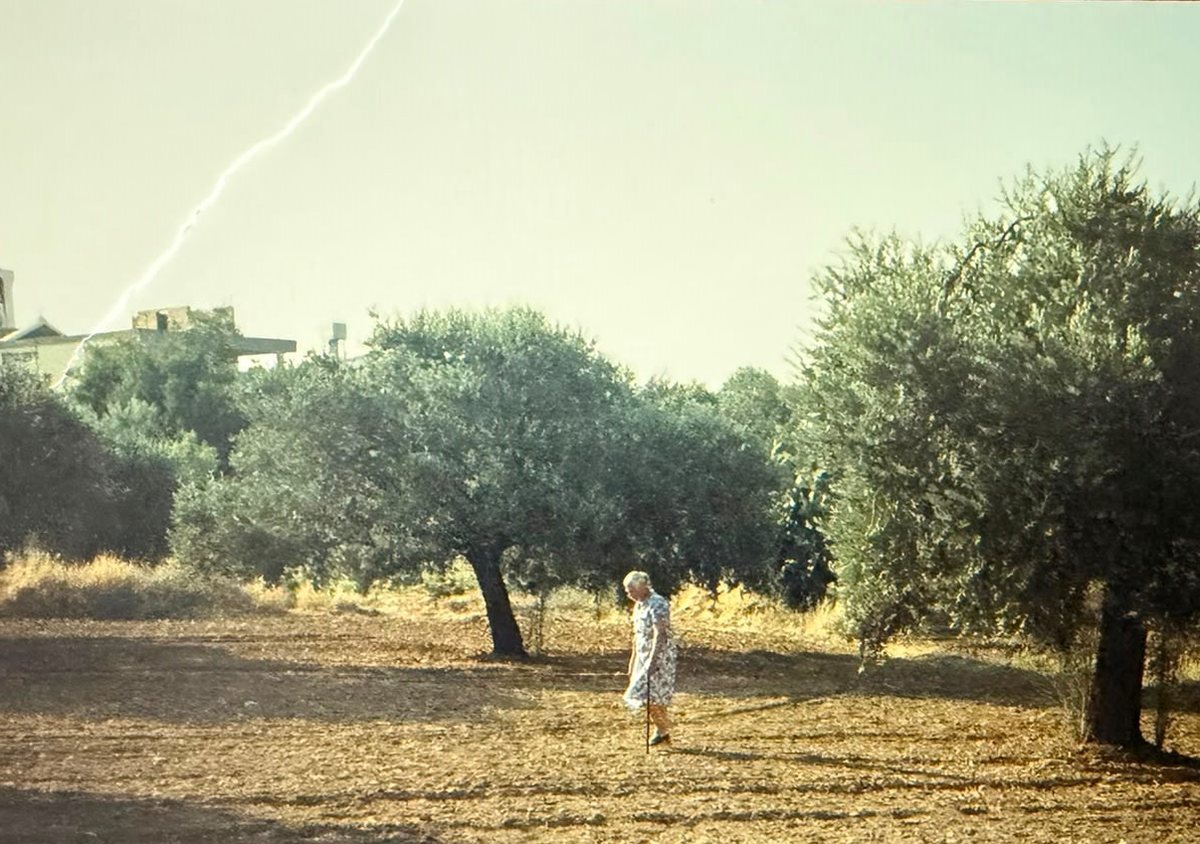
Maritsa walking among olive trees at Kampia, the village church behind her
Maritsa at Kampia
Three generations of the family together at a christening in the village church
Three generations, at the village church

The name on the bottle

Named for our grandmother, Maritsa.

Maritsa was born in Kampia, below the Machairas mountains, in the house where generations of the family had been born before her. She raised her children there and never left these hills.

She loved to cook, and she knew good oil when she tasted it: fresh and green, a little bitter, with a peppery catch at the back of the throat. Her children grew up on that standard.

Her son Chris started with a handful of trees and the village mill, learning from the locals. Today the family tends 2,500 Koroneiki trees on that land, and every bottle is cold extracted on the day its olives are picked. It carries her name because the standard was hers first.

Read her story
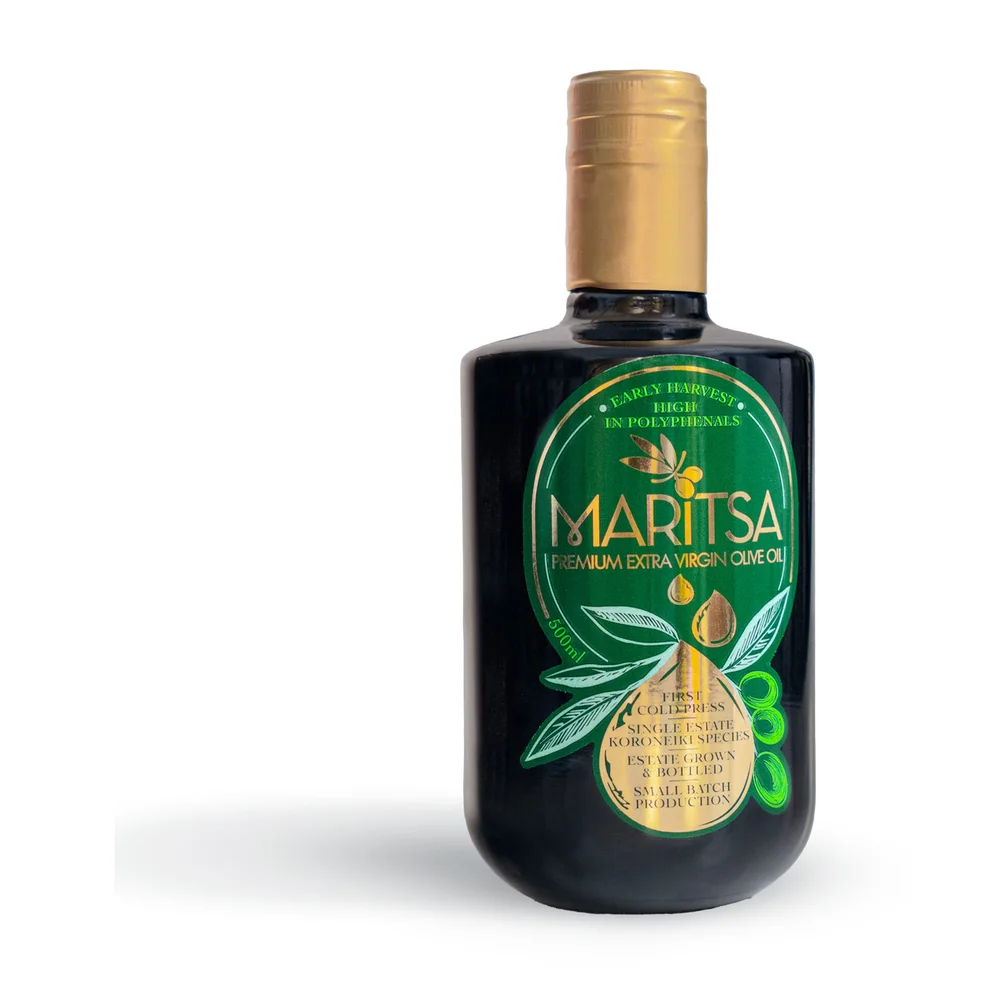

Maritsa 500ml bottle

Single estate extra virgin olive oil

Maritsa

Hand-picked Koroneiki from our family's grove at Kampia, cold extracted the day it is picked.

500ml dark glass

£30

The bottle for your table

Buy Maritsa

Sold by Big K, our UK importer.

Theo Michaels
Theo Michaels. Photograph courtesy of Theo Michaels.

Cooks on Maritsa

“The final ingredient for our dressing is a really good quality olive oil. I'm using Maritsa. I love this stuff.”

Theo Michaels · TV chef and author of Cypriana

Theo cooked for us at home in October and used Maritsa the way we hope you will: to finish.

No fee was paid. Theo received Maritsa and Big K charcoal for the shoot; his words are his own.

The film

From branch to mill before the day is out.

Extra virgin olive oil from our family's grove at Kampia, Cyprus, named for the grandmother who never left these hills.

How it is made

Grown by one family. Made once a year.

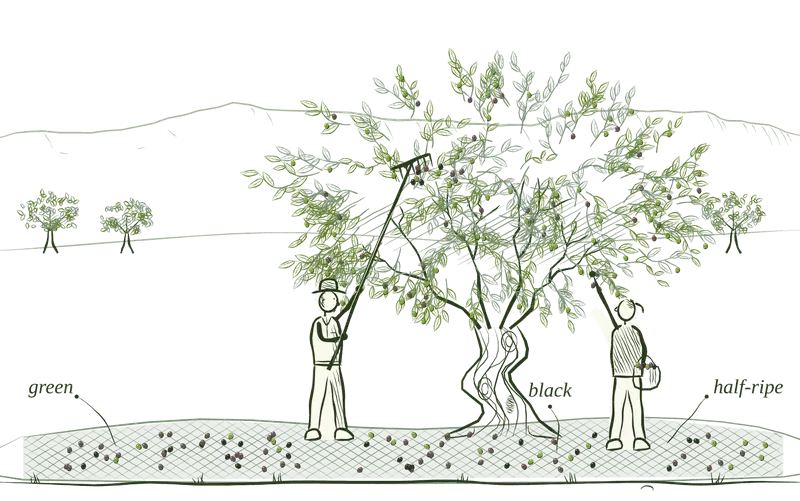
  1. Olive trees at Kampia with nets laid underneath
    01

    Grown in Kampia

    2,500 Koroneiki trees on 40 acres in the Machairas foothills, watered from one family spring.

  2. One picker rakes olives onto the nets while another picks from the branches by hand
    02

    Picked by hand

    In December, judged tree by tree: half the olives half-ripe, a quarter green, a quarter black.

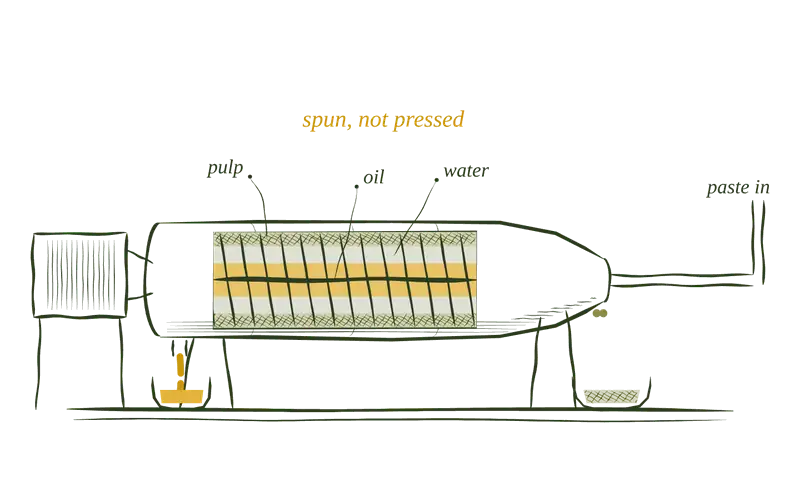
  3. A decanter spinning the oil out of the paste
    03

    Cold extracted the same day

    Milled on the day of picking and spun, not pressed, below 27°C. Then filtered at the estate and into airtight tanks.

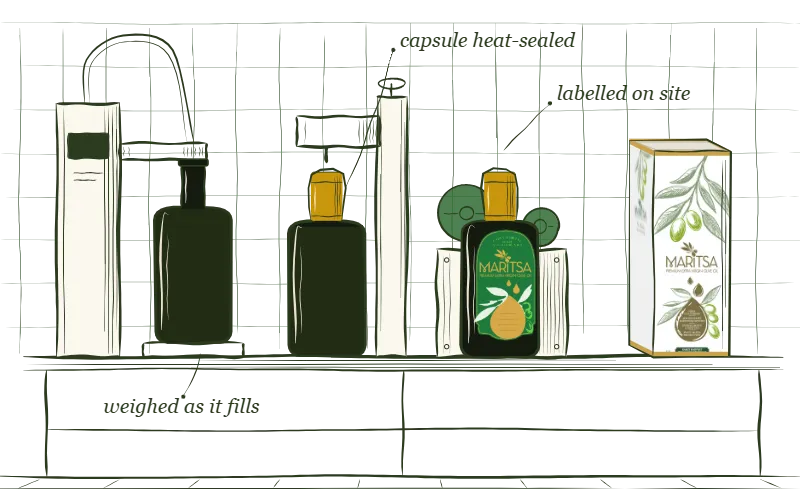
  4. Bottles filled, capped and labelled in the estate bottling room
    04

    Bottled on the estate

    Filled, capped and labelled on site in dark glass and tin. Then tested in the bottle by TÜV Austria Labs.

See all ten steps

Taste and character

Floral, fruity, and a peppery finish.

01

Floral on the nose

The first thing you notice as you pour, before it reaches the plate.

02

Fresh and fruity

Full-bodied in the mouth, with the nose and the taste in step.

03

A peppery finish

A warm catch at the back of the throat. Medium to high, by one taster's count.

“Intense straight away. You can feel the peppery nose and the aromatics. It has a kick to it. That's how you know you've got good quality olive oil.”
Theo Michaels, TV chef and author of Cypriana, tasting Maritsa, October 2026

Not every olive oil can say this.

Extra virgin is a grade for taste and acidity, not for polyphenols. Only oils with at least 5 mg in every 20 g may make this claim. Check your bottle.

Authorised health claim

“The polyphenols in olive oil help protect the fats in your blood from oxidative stress.”

You get the benefit from 20 g a day, about 1½ tablespoons a day, as part of a varied, balanced diet and a healthy lifestyle.

6.9mgMaritsa, in every 20 g. Independently tested by TÜV Austria.

TÜV Austria Labs report 6080-CY01099688-26-02 · bottled oil sampled 8 September 2026 · issued 24 September 2026

Why Maritsa

Four things we never change.

From one family's grove

Every bottle comes from our own 2,500 Koroneiki trees at Kampia.

Cold extracted the same day

From branch to mill before the day is out, every harvest.

Tested in the bottle

TÜV Austria Labs tested our bottled oil: peroxide value 4.2, against a limit of 20 for extra virgin.

Kept from the light

Dark glass and tin only. Light and air are what spoil good oil.

One harvest a year. Every test figure on this page is from the TÜV Austria report above. What the lab found

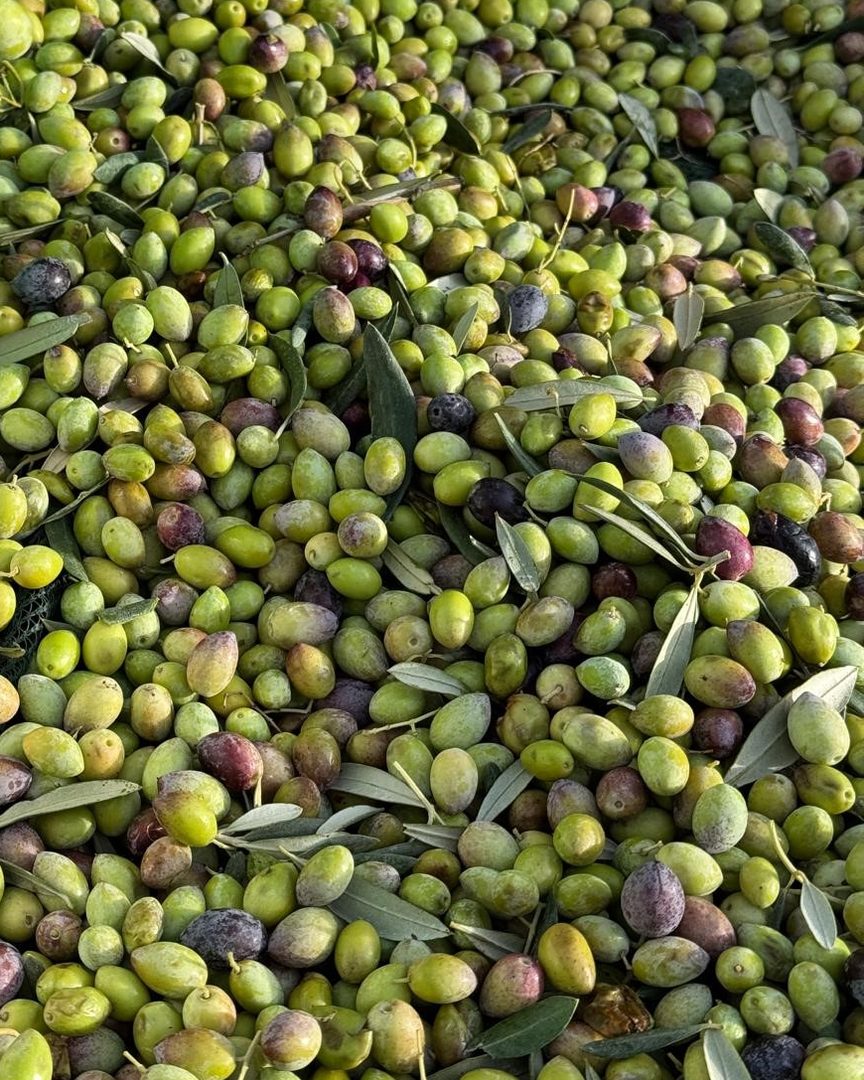
Freshly picked Koroneiki olives, green, purple and black, with their leaves
Koroneiki olives on harvest day at Kampia

The Maritsa list

Be first to the new season's oil.

News from the grove at Kampia, first word when the new season's oil goes on sale, and entry into our prize draw for a 500ml bottle (closes 31 December 2026).

By joining, you agree to receive emails from Big K Products UK Ltd about Maritsa. You can unsubscribe at any time. Prize draw terms · Privacy Notice

Trade enquiries

For restaurants, delis, and specialist retailers.

Maritsa is available to trade buyers in the UK. We work with restaurants, independent delicatessens, farm shops, and specialist food retailers who care about provenance.

For trade pricing, minimum order quantities, and availability: complete the form. We respond within two working days.

For chefs: film, lab results, trade pack
  • Fine dining restaurants
  • Independent delicatessens
  • Farm shops
  • Specialist food retailers
  • Online food specialists

We use these details only to answer your enquiry and, if it goes further, to discuss supplying you. We do not add trade enquiries to a marketing list without asking you separately. Full detail in our Privacy Notice.

The Kleanthous family

From the family behind Big K Products.

Since 1981, the Kleanthous family has supplied Britain's charcoal through Big K Products UK Ltd, a company built on consistent quality and direct supply chains. The business is 100% family owned. For over four decades, provenance has not been a marketing claim: it has been how the operation runs.

Maritsa is produced by the same family on their private estate in Kampia, Cyprus. The same standard that applies to the charcoal applies here. The family name is on the label. That is the guarantee.

Big K Products UK Ltd ↗︎

Questions

Questions and answers

Where can I buy Maritsa olive oil?

Maritsa is sold in the UK by Big K Products, our UK importer, at bigkproducts.co.uk. It comes in a 100ml dark glass bottle at £9, a 500ml dark glass bottle at £30 and a 5 litre tin at £100.

Where does Maritsa come from?

From one grove at Kampia, below the Machairas mountains in the middle of Cyprus. The Kleanthous family grows 2,500 Koroneiki trees there on about 40 acres, watered from their own spring.

What olive variety is Maritsa?

Koroneiki, and only Koroneiki. Maritsa is a single estate oil, not a blend.

Is Maritsa cold pressed?

Maritsa is cold extracted, which is the accurate term for how it is made. The olives are milled the day they are picked and the oil is spun out in a centrifuge rather than squeezed in a press, with the paste kept below 27°C. The December 2025 bottles say “first cold press”; the next labels will say cold extraction.

Has Maritsa been independently tested?

Yes. TÜV Austria Labs in Nicosia tested the bottled oil in September 2026 (report 6080-CY01099688-26-02). Every freshness test came in well inside the extra virgin limits, and the oil measured 6.9 mg of hydroxytyrosol and its derivatives in every 20 g, above the 5 mg the authorised health claim requires. What the lab found

Is all extra virgin olive oil high in polyphenols?

No. Extra virgin is a grade for taste and acidity, not for polyphenols. Only an oil with at least 5 mg of hydroxytyrosol and its derivatives in every 20 g may carry the EU's authorised health claim for olive oil polyphenols. Maritsa measured 6.9 mg in every 20 g when TÜV Austria Labs tested the bottled oil in September 2026.

How should I use Maritsa?

As a finishing oil. Pour it raw over fish straight off the grill, charred vegetables, tomatoes or warm bread, or use it in dressings and dips. The peppery catch at the back of the throat is the mark of a fresh oil.